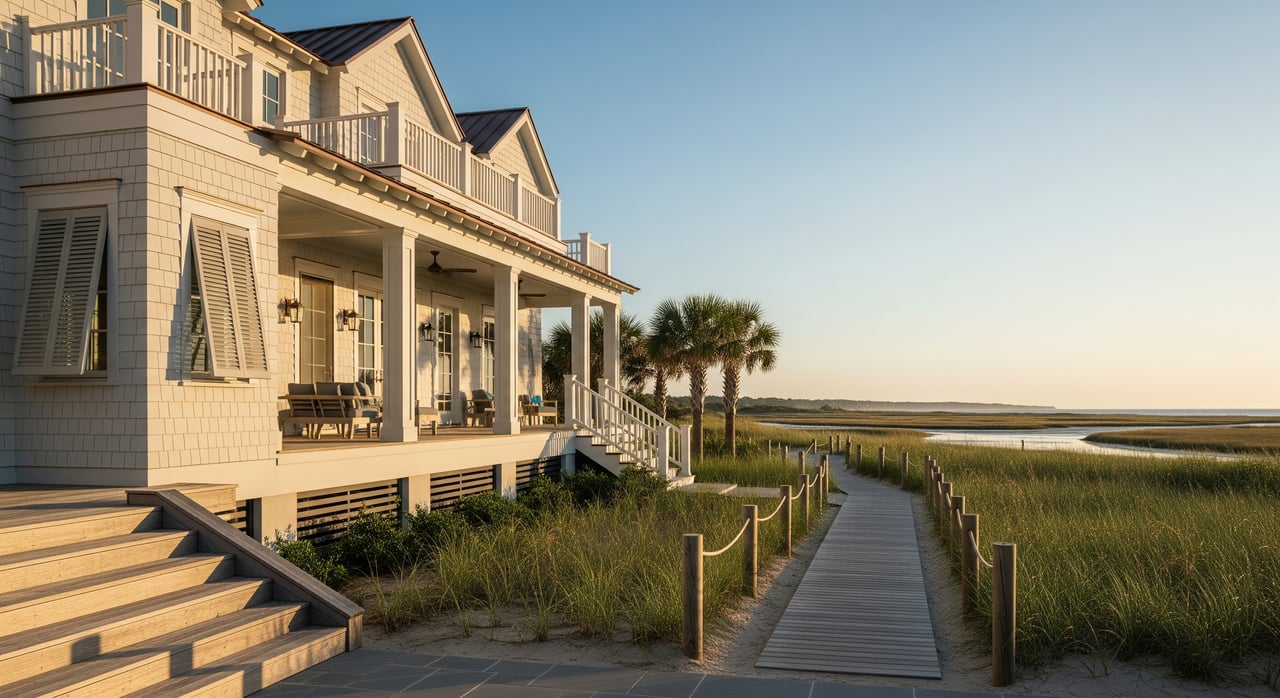
Buying on Sullivan’s Island feels special, and so does closing. South Carolina handles closings through attorneys, which adds clarity but also a few steps you might not see in other states. If you understand the flow, you can protect your investment and arrive at the shore with fewer surprises. In this guide, you will learn how closing works in South Carolina, what to expect on a coastal property, and how to move from contract to keys with confidence. Let’s dive in.
South Carolina closings at a glance
In South Carolina, most residential closings are attorney-led. A closing attorney manages escrow, orders the title search, prepares documents, records the deed and mortgage, and disburses funds. For background on attorney roles, review the South Carolina Bar’s public resources at the South Carolina Bar.
Customarily, the buyer selects the closing attorney if the contract says so, though parties can agree on a different arrangement. The contract should also spell out who pays attorney fees and other closing costs.
Title insurance is coordinated through the closing attorney. Most lenders require a lender’s policy. Buyers often choose an owner’s policy as added protection for covered title issues found later.
After everyone signs, the attorney receives lender funds, records the deed and mortgage at the county’s Register of Deeds, then disburses money. Possession usually follows funding and recording, based on your contract.
Your timeline from contract to keys
Earnest money and due diligence
Once you have a signed contract, you will deposit earnest money per the contract terms. The Due Diligence Period is a negotiated window, often about 7 to 30 days in many markets, for inspections and financing work. In South Carolina, buyers frequently pay a due diligence fee to the seller in exchange for this period. Use the time to gather facts and confirm you can proceed.
Inspections that matter on the island
Schedule a standard home inspection along with pest, HVAC, roof, plumbing, and electrical checks. On Sullivan’s Island, add coastal-specific reviews: elevation and storm resilience, flood-related moisture issues, and the condition and permitting status of any pier, dock, seawall, or bulkhead. If a structure is older or within a historic area, consider an architectural or historic assessment.
Order a survey early if you have questions about encroachments, dock location, mean high water line, or beach access. Some lenders will require an ALTA survey.
Title, HOA or POA, and disclosures
Your attorney will run a title search and issue a title commitment that lists easements, covenants, liens, and other items you will accept or address. For properties with an HOA or POA, review governing documents, budgets, and any estoppel letters to confirm fees and compliance. Seller disclosures should include known flood history, encroachments, and permits for coastal structures where applicable.
Financing and insurance decisions
Your lender will order an appraisal and require clear title and appropriate insurance. If the home is in a FEMA Special Flood Hazard Area, flood insurance is required for most financed purchases. Check the current map status at the FEMA Flood Map Service Center, and confirm whether an elevation certificate is needed for insurance. You can read more about elevation certificates through FEMA elevation certificate guidance.
Plan for wind and hurricane coverage. Some insurers include wind in the homeowners policy, while others require a separate wind or hail policy. Deductibles may be a percentage of the dwelling coverage. For statewide insurance guidance and consumer resources, visit the South Carolina Department of Insurance.
Final walkthrough and signing day
If you are using a mortgage, your lender must deliver the Closing Disclosure at least three business days before consummation. Do a final walkthrough to confirm condition and agreed repairs. On closing day, you will sign at the attorney’s office or as arranged, wire your funds to escrow, and the lender will fund. The attorney will record with the county and disburse. Keys and possession are handled per your contract, commonly after recording.
Coastal title, surveys, and waterfront rights
What the title search may show
On barrier islands like Sullivan’s Island, title records often include utility easements, access paths, beach access rights, and historic or POA restrictions. Waterfront ownership can be affected by mean high water and public trust principles. In South Carolina, tidelands below the mean high water line are generally state owned. Review deed and survey language closely for any rights to build or use a dock and for foreshore use limitations.
Why the right survey matters
An ALTA or updated boundary survey helps map improvements, easements, setbacks, and any encroachments. On the coast, surveys can also pair with elevation data to clarify buildable area and flood elevations. Surveys may reveal that areas seaward of the mean high water line are not privately owned, which affects use of dry sand and construction of coastal structures. Your closing attorney and surveyor can explain what is shown and what it means for your plans.
Recording in Charleston County
Your deed and mortgage are recorded with the Charleston County Register of Deeds. Recording fees and documentary stamps apply. Title insurance policies are issued after the attorney confirms recording and title clearance.
Docks, piers, and coastal permits
Coastal structures often require approvals from multiple agencies. Depending on the location and structure, permits may involve the Town, state coastal management, and sometimes federal review.
- For state coastal permitting and shoreline management, consult the South Carolina DHEC Office of Ocean and Coastal Resource Management.
- For federal permits that affect navigable waters or tidal wetlands, review the U.S. Army Corps of Engineers Charleston District.
- For local zoning, floodplain rules, elevation standards, and building permits, visit the Town of Sullivan’s Island.
Confirm that any existing dock, ramp, or seawall has proper permits and is in compliance. Ask for records and include a physical inspection during due diligence.
Closing costs you can expect
Exact amounts vary by property and loan, but common buyer costs include:
- Title search and title insurance premiums for lender’s and optional owner’s policies
- Attorney fees and closing or escrow fees
- County recording and transfer taxes or fees
- Prorated property taxes and any HOA or POA assessments
- Survey and inspection fees
- Homeowners insurance and, if required, flood insurance
- Estoppel or HOA document fees
Discuss who pays which line items in your contract and with your closing attorney.
Buyer checklist for a smooth closing
Use this quick plan to stay ahead of deadlines.
- During due diligence: schedule home, pest, and coastal inspections. Order or update your survey. Request HOA or POA documents and estoppel. Review the title commitment and note any easements or encroachments.
- With your lender: confirm flood zone, wind coverage requirements, and whether an elevation certificate is needed. Work through loan conditions early.
- With your closing attorney: confirm how title will be vested, wiring instructions, recording timing, and who pays each cost category. Clarify when possession transfers after recording.
- Before closing: verify insurance binders, complete the final walkthrough, and use secure wire procedures to avoid fraud.
Pro tips for Sullivan’s Island buyers
- Start insurance early. Coastal wind and flood coverage can take time and may require extra documentation.
- Ask for past permits, approvals, and elevation information. This helps you evaluate renovation plans and insurability.
- Study HOA or POA rules if applicable. Look for short-term rental policies, dock and architectural controls, and parking guidelines.
- Confirm dock or seawall permits and maintenance obligations. Include condition and compliance in your due diligence requests.
Ready to close with confidence?
When you understand the South Carolina closing workflow and the coastal details that shape Sullivan’s Island, you can negotiate timelines, manage risk, and enjoy a smooth move. If you would like a clear plan tailored to your goals, reach out to Helene Barrett. Let’s Connect — Start Your Charleston Search.
FAQs
Who chooses the closing attorney in South Carolina?
- In many South Carolina contracts the buyer selects the closing attorney, though it is negotiable and should be stated in the contract along with who pays related fees.
How long is a typical due diligence period for Sullivan’s Island homes?
- The period is negotiated in the contract. Many local deals use a window of about 7 to 30 days to complete inspections, survey review, and permit checks.
Do Sullivan’s Island buyers need an elevation certificate to close?
- Lenders or insurers often require an elevation certificate for flood insurance on coastal homes. Check with your lender and insurer early to avoid delays.
How does flood insurance affect the closing timeline for island properties?
- If the home is in a FEMA Special Flood Hazard Area, you must bind flood coverage before funding. Start quotes early and verify requirements using the FEMA map service.
Are private docks and seawalls automatically transferable to a buyer?
- Not always. Their status depends on permits, recorded easements, and state tideland ownership. Review permits and title, and include dock inspections during due diligence.
When do I get keys to a Sullivan’s Island home after signing?
- Possession is usually tied to funding and recording by the attorney, as set out in your contract. Many buyers receive keys shortly after recording is confirmed.