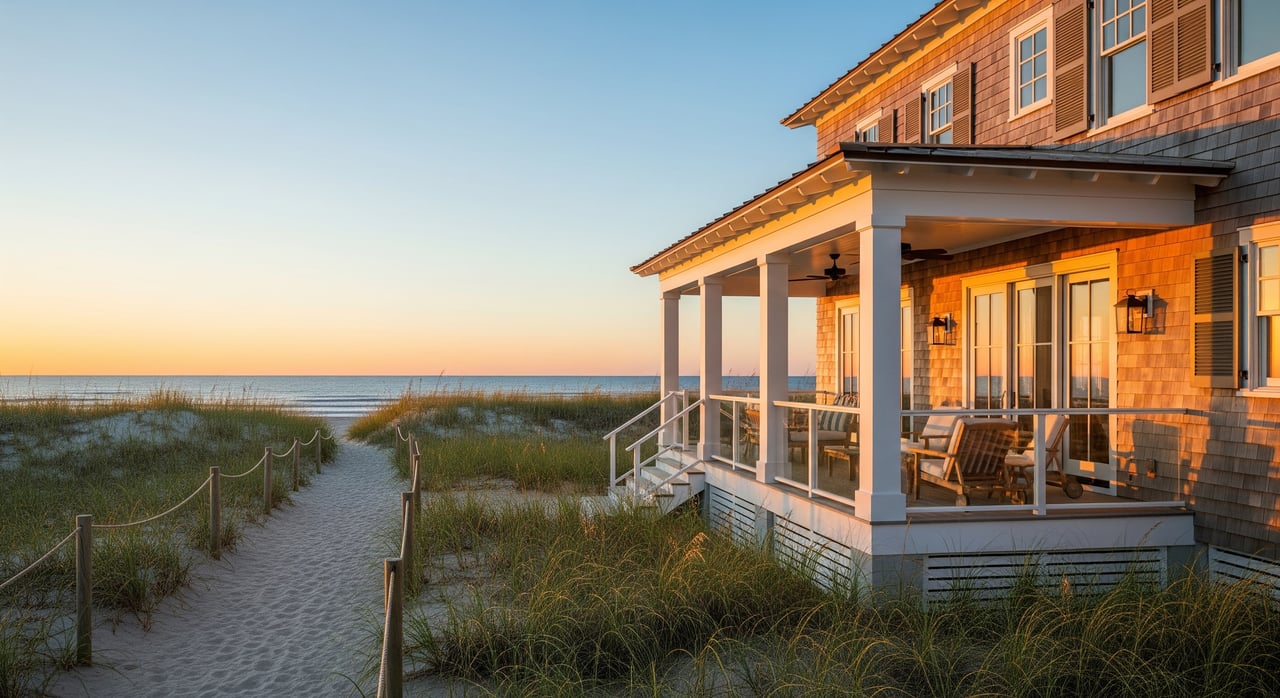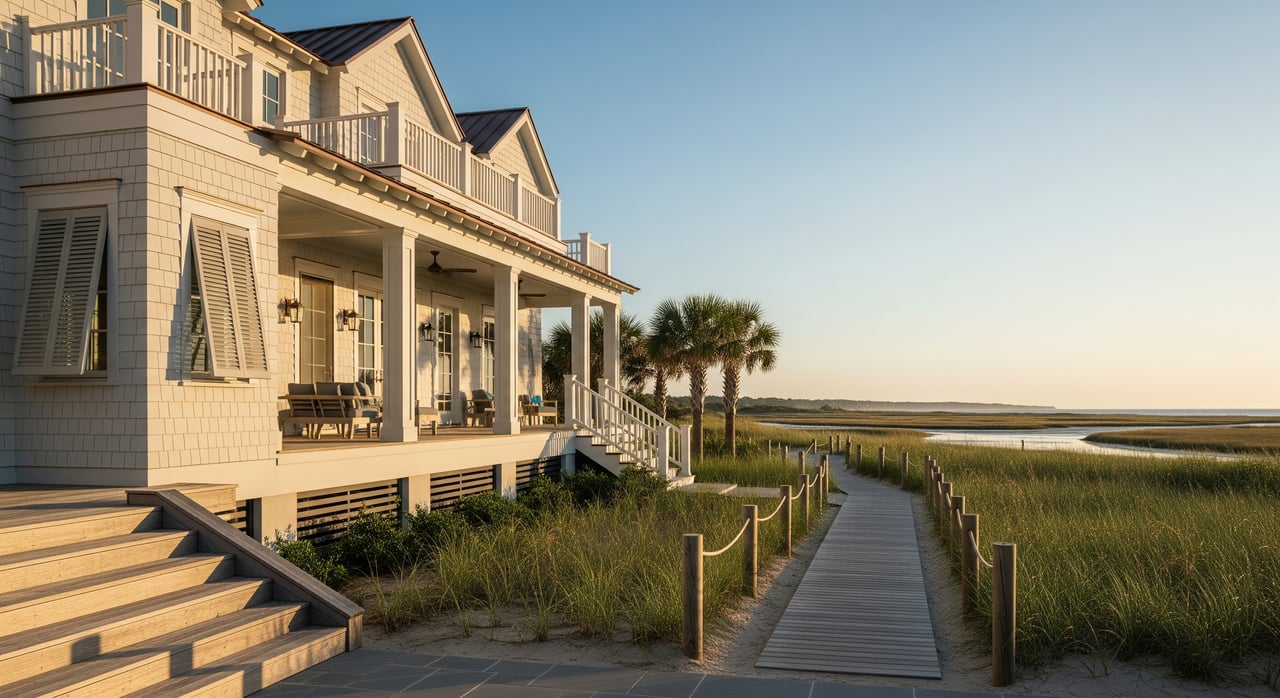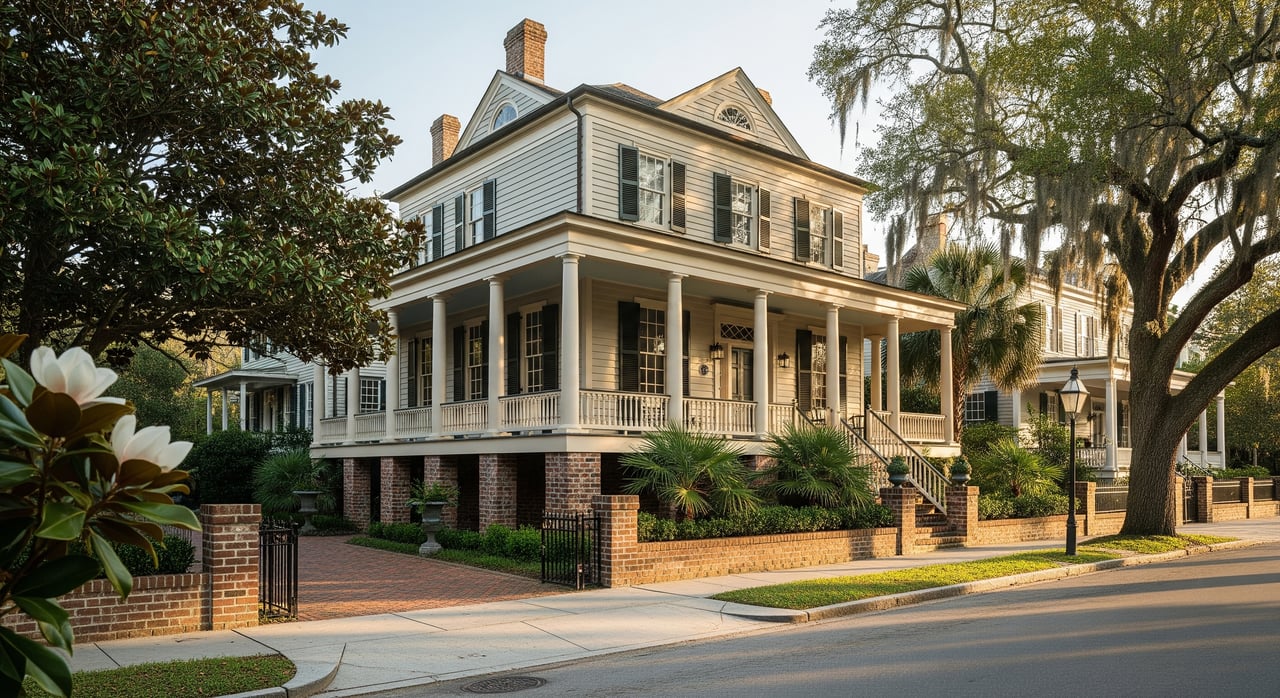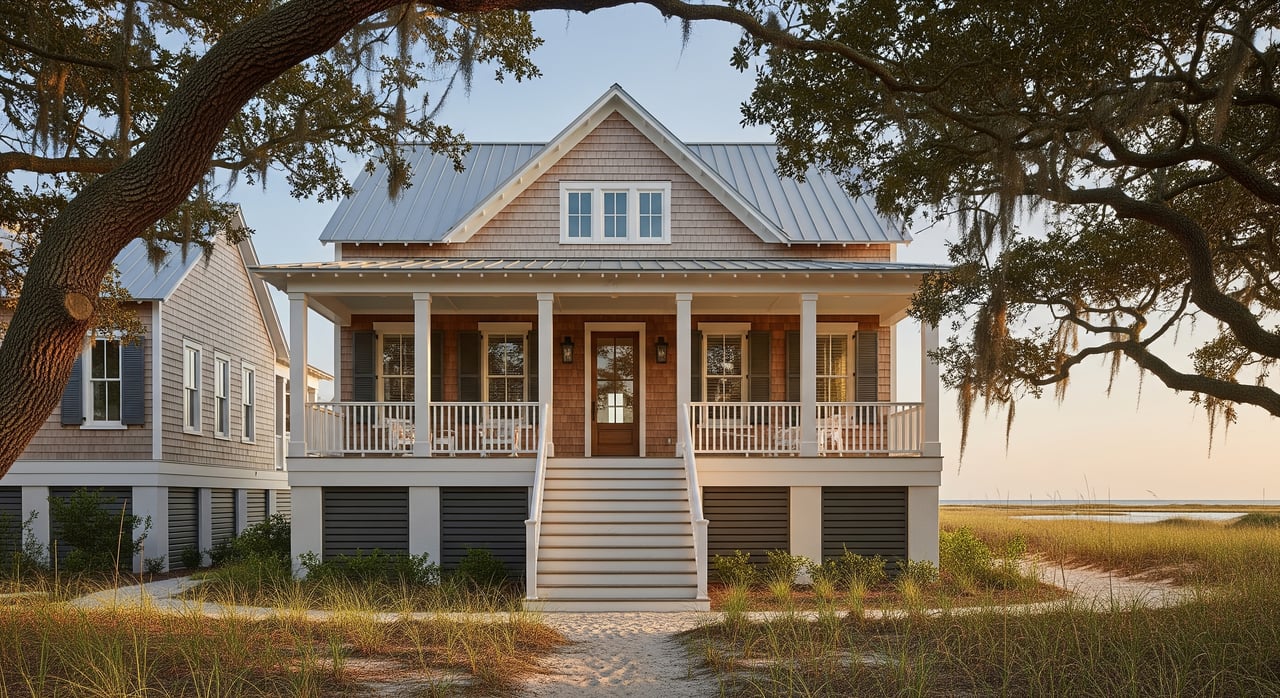
Thinking about buying on Sullivan’s Island and updating the exterior later? You are not alone. Many buyers plan new porches, siding, decks, or a complete rebuild, then discover there is a design review step before permits. This quick guide shows you what design review usually covers, what to submit, how long it can take, and who to hire so you can plan with confidence. Let’s dive in.
What design review covers
On Sullivan’s Island–type coastal communities, design review focuses on the home’s exterior appearance and how it fits the neighborhood. Reviewers look at massing and scale, rooflines, porches and entries, materials and colors, window and door patterns, and site features like driveways, fences, decks, and lighting. Many exterior alterations trigger review, while minor maintenance or like-for-like repairs may be exempt. Definitions vary, so confirm details with the Town.
Design approval is separate from building and zoning permits. You still need technical approvals for structural work, flood elevation, and utilities before construction can start.
Who reviews your plans
Expect a two-part process. Town staff first checks your submittal for completeness. Then, a Design Review Board or similar body holds a meeting to decide on your application or recommend action. If your project needs a variance for setbacks, lot coverage, or height, a different board or the Town Council usually weighs in, which adds time.
Overlapping permits to consider
Coastal properties often involve multiple agencies. In addition to local design review, you may need to coordinate with:
- Charleston County for building permit review and inspections
- South Carolina DHEC’s Office of Ocean and Coastal Resource Management for dune or critical area impacts
- FEMA requirements for flood elevations and NFIP standards
- The U.S. Army Corps of Engineers for certain shoreline work
It is common for these permits to run in parallel and influence your design choices.
What reviewers look for
Site and neighborhood fit
Reviewers compare your home’s massing and height to adjacent properties. They consider roof profiles, porch sizes, window and door proportions, and how the front and side yard relationships maintain neighborhood rhythm. Setbacks and orientation are key.
Materials and architectural details
Expect discussion of exterior cladding, trim, roof materials and slopes, eave overhangs, and gutters. Window and door styles, muntin patterns, exterior lighting, and screening of visible mechanical equipment are also common topics.
Coastal and environmental constraints
Elevation requirements drive much of the design on barrier islands. You will address Base Flood Elevation, freeboard, and elevated foundation types like piles or piers. Plans must protect dunes and vegetation, avoid harmful grading, and manage stormwater so runoff does not impact neighbors or sensitive areas. Tree preservation and landscaping often apply.
What to submit with your application
Exact lists vary by jurisdiction, but most design review applications ask for:
- Completed application form and fee
- Scaled site plan with property lines, setbacks, existing and proposed structures, driveways, and notable vegetation
- Existing and proposed elevations on all sides with materials and heights clearly noted
- Floor plans or schematic layouts to show massing, porches, and deck relationships
- Roof plan with slopes
- Material and color samples or a materials schedule
- Landscape plan with proposed plantings and preservation items
- Photos of the property and adjacent structures for context
- Lighting plan with fixture types, locations, and shielding
- Drainage or grading plan or a narrative for stormwater handling
- Foundation or structural concept for new construction
- Flood-elevation data, FEMA map reference, and a current survey with proposed finished-floor elevation
- Contact information for your architect and contractor, plus licensure if required
Submitting clear, complete documents speeds review and reduces revisions.
How long the process takes
Timelines depend on scope, meeting frequency, and how complete your submittal is. Typical ranges for coastal towns are:
- Pre-application conversation with staff: 1 to 3 weeks
- Preparing drawings and materials: 2 to 12 or more weeks, shorter for simple changes
- Staff completeness review: 1 to 4 weeks
- Board hearing after staff acceptance: 2 to 8 weeks
- First decision for straightforward projects: about 4 to 12 weeks from submission
- Revisions after board comments: 1 to 6 or more weeks
- Building permit review after design approval: 3 to 12 or more weeks
- State or federal coastal permits, or variances: often adds months
Factors that slow things down include incomplete submittals, requests that need variances, dune or wetland impacts, historic preservation layers, and busy seasons that affect staffing.
A smart step-by-step plan
Use this simple sequence to keep momentum and manage expectations:
- Schedule a pre-application check-in with Town staff to confirm thresholds, submittal items, and meeting dates.
- Hire a local architect and surveyor to start site studies, elevation checks, and concept massing.
- Confirm flood data and foundation approach early, since elevation drives design.
- Bring in a civil engineer for drainage and a structural engineer for piles or piers as the design firms up.
- Prepare drawings, materials, landscape, lighting, and drainage plans for a complete application.
- Submit for staff review, then refine any items they flag before the board meeting.
- Present to the board, respond to comments, and resubmit if needed.
- After design approval, finalize engineered plans and apply for building permits.
- Secure any state or federal coastal permits in parallel if your scope triggers them.
Build your local project team
On Sullivan’s Island, experience matters. Consider engaging:
- Real estate advisor to flag covenants and rules early
- Architect with Charleston coastal experience to shape a DRB-friendly design
- Licensed surveyor for accurate lot lines, elevations, and existing conditions
- Civil engineer for grading and stormwater design
- Structural engineer for wind and flood-rated foundations
- Landscape architect or coastal specialist for native planting, dune protection, and access paths
- General contractor with barrier-island projects on their resume for constructability and budgeting
- Permit expediter or environmental consultant if coastal permits are likely
Ask for recent DRB-approved examples, local references, and experience with elevated foundations.
Buyer due diligence checklist
Before or right after you go under contract, confirm these items:
- Whether the property is in a historic district or subject to preservation rules
- Copies of prior design approvals, site plans, and elevation certificates from the seller
- The current FEMA flood map panel and Base Flood Elevation for the lot
- The Town’s design review checklist and the current standards or handbook
- Any deed restrictions, covenants, or HOA rules that affect design
- Encroachments, easements, and utilities shown on a recent survey
- Flood and wind insurance implications of your planned changes
- A pre-application meeting with Town staff for early feedback
Quick answers to common questions
- Do color changes or siding swaps need approval? Many towns allow like-for-like maintenance without full review, but color and material changes often need an application. Always confirm with staff.
- Can you add a deck or enclose a porch? Exterior additions that change massing or setbacks usually require design review and building permits. Some lots need variances.
- Does design approval mean you can build? No. It covers appearance. You still need building, flood, and structural approvals, and any coastal permits.
- When should planning start? Early. Engage an architect and surveyor before or right after closing. For substantial projects, plan for months, not weeks.
- What if you build without approval? You risk stop-work orders, required removal, fines, or future permit issues.
Final thoughts
Buying on Sullivan’s Island comes with a unique coastal design lens, which protects the island’s character and resilience. With early planning, the right team, and a complete submittal, you can move from concept to permits with fewer surprises. If you are weighing homes with renovation potential, I can help you evaluate scope, timelines, and next steps so you write a smart offer.
Ready to talk through your goals and shortlist properties that match your plans? Reach out to Helene Barrett for tailored guidance and a clear path forward.
FAQs
What is Sullivan’s Island design review and when does it apply?
- It is a review of exterior appearance and neighborhood fit that typically applies to new construction and many exterior changes, while like-for-like maintenance may be exempt.
How is design review different from a building permit on Sullivan’s Island?
- Design approval addresses look and compatibility, while building permits and flood or structural approvals handle technical safety and code compliance.
What documents do I need for a Sullivan’s Island design review submission?
- A site plan, elevations, floor or schematic plans, roof plan, materials schedule, landscape and lighting plans, drainage details, flood data, and current survey are common.
How long does a Sullivan’s Island design review usually take?
- Straightforward projects often see first decisions in about 4 to 12 weeks from submission, with added time for revisions, permits, or variances.
Who should be on my team for a Sullivan’s Island remodel or new build?
- A local architect, surveyor, civil and structural engineers, landscape architect, and a contractor with barrier-island experience are key, with permit or coastal specialists as needed.