Trying to tell a cottage from a bungalow on your Old Mount Pleasant tour? You are not alone. The Old Village mixes small historic homes with early-20th-century bungalows and modern elevated Lowcountry houses, and the details can be easy to miss at first glance. In this guide, you’ll learn how to spot each style, what the lots and streets feel like, and what to consider if you plan to renovate. Let’s dive in.
Why Old Mount Pleasant looks this way
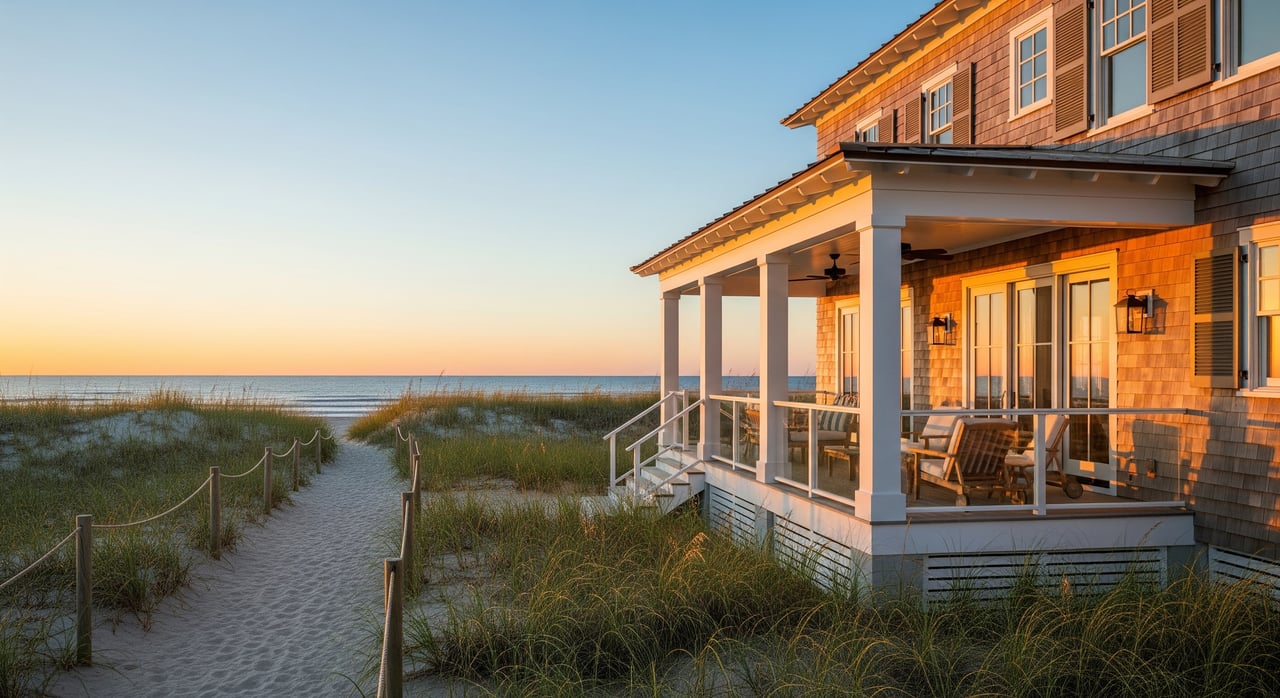
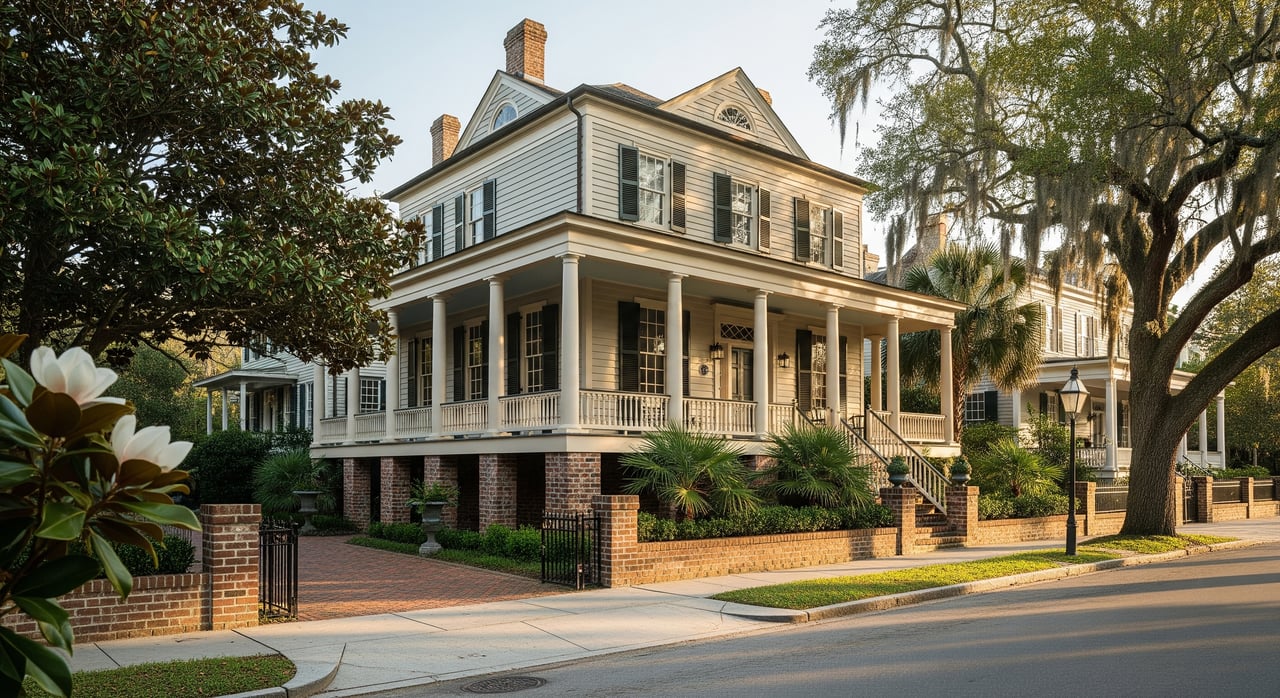
Coastal life shaped these homes. Heat, humidity, steady breezes, and periodic coastal storms encouraged shaded porches, tall windows for airflow, and raised foundations to reduce flood risk. You will see wide piazzas, deep roof overhangs, and many homes lifted above grade.
History matters too. The Old Village grew from an 18th to early-20th-century maritime town. That is why you see modest early cottages, early-1900s bungalows with handcrafted details, and later elevated Lowcountry forms that respond to modern floodplain rules.
Regulations also play a role. Floodplain management and historic-preservation review influence elevation, foundations, exterior materials, and what changes are allowed. Expect building-code and historic-review steps on many projects within Old Mount Pleasant.
Three common house types
Cottage: simple and historic
- Exterior cues:
- One to one-and-a-half stories with a narrow footprint and a gabled or hipped roof.
- Wood-frame construction with clapboard or board-and-batten siding; wood shingles sometimes appear.
- A modest front porch or stoop with turned posts or simple square columns, plus vertically proportioned wood sash windows. Brick chimneys are common on older examples.
- Interior feel:
- Smaller rooms with straightforward central-hall or side-hall plans.
- Historic ceiling heights often around 8 to 9 feet, though some are higher.
- Many have been reworked over time to open kitchens or improve baths.
- Renovation notes:
- Look for character materials like narrow pine floors, plaster, and beadboard.
- Common upgrades include kitchen enlargements, bathroom reconfiguration, and new HVAC ducting and insulation.
- Prioritize moisture and termite inspections, plus checks of original framing and foundations.
- Quick ID on a tour: small footprint, simple gable roof, modest porch, wood siding, older sash windows.
Bungalow: early-20th-century charm
- Exterior cues:
- One to one-and-a-half stories with low to moderate roof pitch and wide eaves.
- Broad porches under the main roofline with tapered or square columns on piers.
- Craftsmanship details such as exposed rafter tails, brackets, and multi-pane-over-single windows.
- Clapboard, shingle, or a mix of both for siding.
- Interior feel:
- More open living spaces where living and dining flow together.
- Built-in cabinetry and simple natural-wood trim.
- Bedrooms tend to be smaller; attics are sometimes convertible.
- Renovation notes:
- Rear or side additions often work well while keeping the porch intact.
- Preserve built-ins and trim where possible for character and value.
- Quick ID on a tour: low-pitched roof, wide eaves, porch under main roof, Craftsman columns, exposed rafter tails.
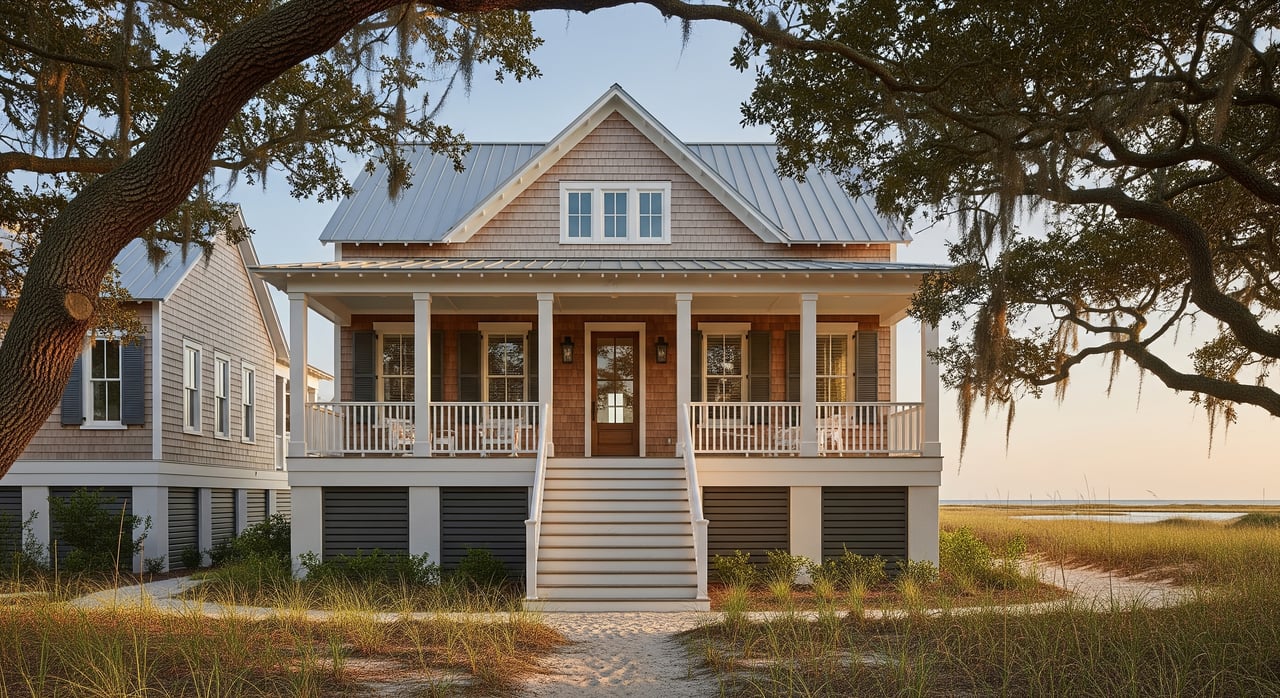
Elevated Lowcountry: raised for resilience
- Exterior cues:
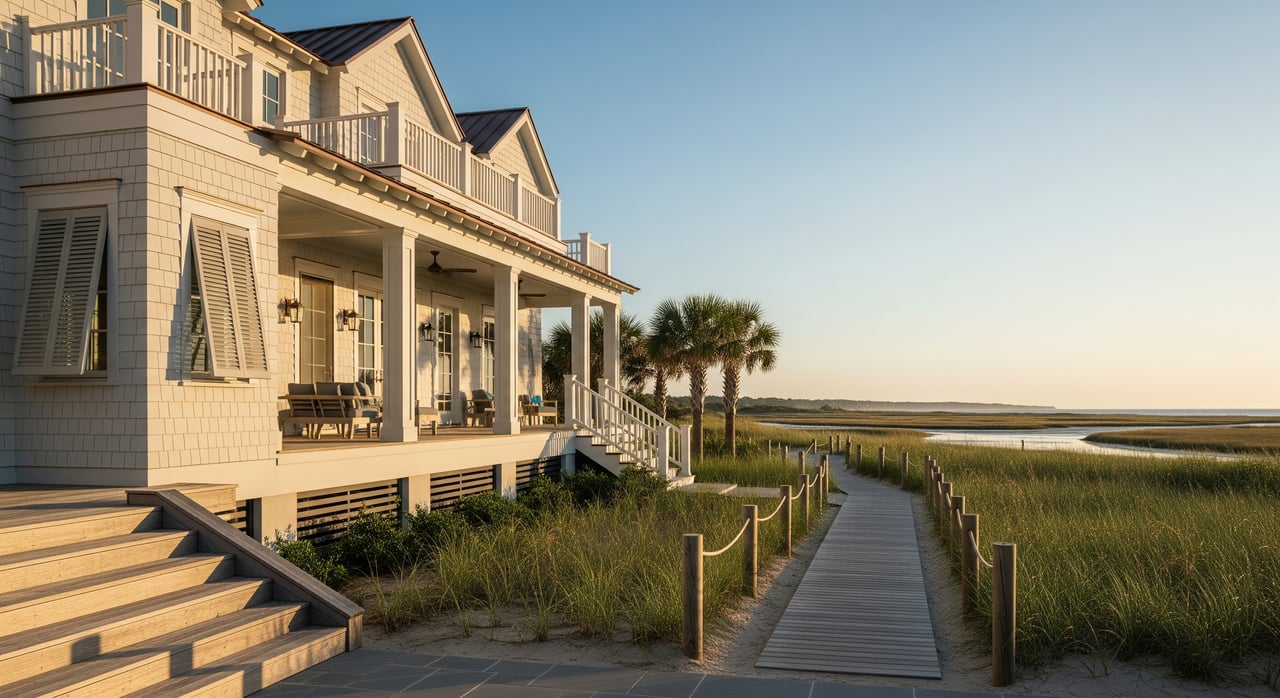
- Main living floor sits above ground on piers or a stem wall, with open or enclosed under-house space for parking or storage.
- Tall exterior stairs lead to a generous porch or piazza that may span the front or wrap a side.
- Wood siding, large windows, shutters, and metal or composite roofing on historic and modern versions.
- Interior feel:
- Primary living spaces on the elevated floor with higher ceilings and large windows to invite breezes.
- Under-house areas used for parking, utilities, storage, or screened outdoor rooms in modern adaptations.
- Renovation notes:
- Elevation affects mechanical placement, stair safety, and sometimes the need for an elevator.
- Flood mitigation upgrades can include elevating utilities and installing flood vents where appropriate.
- New work may be required to meet or exceed Base Flood Elevation.
- Quick ID on a tour: visible raised living level, broad staircase, under-house parking or storage, wide porches.
Lots and streetscape
Historic Old Village lots are modest by suburban standards, with narrower street fronts and deeper backyards. Homes sit close to the sidewalk, which creates a friendly porch-to-street connection and an intimate village feel. Side yards often allow a narrow drive to the rear or a side carport.
Mature live oaks and canopy trees define many blocks. These trees influence siting and shade and may be subject to protection rules. Some properties include small outbuildings, detached garages, or accessory spaces tucked into rear yards.
Along Shem Creek and other waterfront edges, you may see piers, docks, or seawalls. Shoreline projects typically require permits and ongoing maintenance, especially after major storms.
Outdoor living and site factors
Porches and piazzas are the heart of daily life here. Front porches, side piazzas, and rear porches extend living outside, with many homes adding or enlarging screened porches to create comfortable, insect-protected space.
Elevated homes often turn the under-house area into practical shaded living, storage, or parking. Many owners use lattice or screening to define these spaces while maintaining airflow.
Landscaping leans toward native and salt-tolerant species well-suited to Lowcountry conditions. You will often see live oaks, palmettos, wax myrtle, yaupon holly, and muhly grass in layered gardens that handle heat, salt, and seasonal storms.
Flood and wind are key considerations. Many properties sit in mapped flood zones, so Elevation Certificates, flood vents, and insurance requirements are common topics during due diligence. Coastal codes also encourage or require wind-resistant windows, doors, and roof tie-downs for new work or major renovations.
Buying and renovation checklist
Use this list to stay focused during tours and due diligence.
Quick visual IDs
- Cottage: small, simple gable, modest porch, wood siding, older sash windows.
- Bungalow: low-pitched roof, wide eaves and rafter tails, porch under main roof, Craftsman columns.
- Elevated Lowcountry: living level above grade, broad stairs, under-house parking or storage, wide porches.
Essential documents to request
- Elevation Certificate, recent survey, and flood-insurance details.
- Historic-district status and any design-review requirements.
- Permit history for past renovations or additions.
Inspections to prioritize
- Foundations, piers, and under-house framing for rot, insects, and settlement.
- Signs of water intrusion, mold, and rot at floors, sills, and thresholds.
- Electrical panel capacity and wiring age; plumbing condition.
- Roof condition, gutters, flashing, and porch connections to resist wind and water.
- HVAC sizing, ducting, and insulation suited to a humid climate.
Preservation and permitting
- Confirm if design review applies before planning exterior changes.
- Preserve character-defining features like porches, windows, and siding when feasible.
- Place additions to the rear or as subordinate second stories to maintain scale.
Finding your fit
If you love simplicity and history, a cottage offers charm and a smaller footprint with thoughtful updates. If you want handcrafted details and a porch-centric lifestyle, a bungalow delivers warmth and flexible expansion potential. If you prioritize flood resilience and generous outdoor living, an elevated Lowcountry home may be the right match.
Whichever style you choose, focus on how you will use the porches, how the lot handles water, and what documents and inspections support a confident decision. When you are ready to tour, compare homes across these three types to clarify your must-haves.
Ready to take the next step in Old Mount Pleasant? Reach out to Helene Barrett for a personalized tour plan and clear guidance from search to close.
FAQs
What defines an Old Mount Pleasant cottage?
- A small, often 19th or early-20th-century home with a simple gable or hipped roof, wood siding, modest front porch, and compact rooms that may retain historic materials.
What is a Lowcountry elevated home and why is it common?
- It places the main living floor above grade to reduce flood risk and improve ventilation, a long-standing regional response to coastal conditions and modern floodplain rules.
How do flood zones affect buying in Old Mount Pleasant?
- Flood zones influence insurance, elevation requirements, and mechanical placement; request the Elevation Certificate and review local rules during due diligence.
Are screened porches common in the Old Village?
- Yes, screened porches are widely used to extend living space comfortably in a humid, insect-prone climate and are common in renovations.
What permits may be needed for exterior changes in Old Mount Pleasant?
- Depending on location and scope, you may need historic-preservation review plus standard building permits; check local requirements early in planning.