What if your morning walk was along miles of soft sand, and your evening soundtrack was the tide? If you are weighing a full-time move to Isle of Palms, you likely want the best of coastal living without losing everyday conveniences. You also want a clear picture of the island’s rhythm, from summer crowds to storm season and everything in between. This guide gives you a grounded, local view of year-round life so you can decide if Isle of Palms fits the way you want to live. Let’s dive in.
The year-round rhythm
Summer peak: busy and energetic
From Memorial Day to Labor Day, Isle of Palms (IOP) hums with beach days, day-trippers, and vacation rentals. Roads, public parking, and popular access points fill early on weekends. You can still enjoy a quiet sunrise walk, but plan errands and travel around midday traffic when possible. Reservations are wise for dining during this period.
Shoulder seasons: locals’ sweet spot
Spring and fall bring warm water, lighter crowds, and ideal weather for biking, fishing, and boating. Many full-time residents say these months are the island’s sweet spot. You get more parking and shorter waits, along with a steady calendar of community activities.
Winter: calm and mild
Winters are mild compared with northern states. You will find quieter beaches, open space on walking paths, and some restaurants shifting to reduced hours. A core set of services stays open, and the slower pace can feel restorative if you enjoy a relaxed coastal winter.
Daily life and essentials
Beach access and simple routines
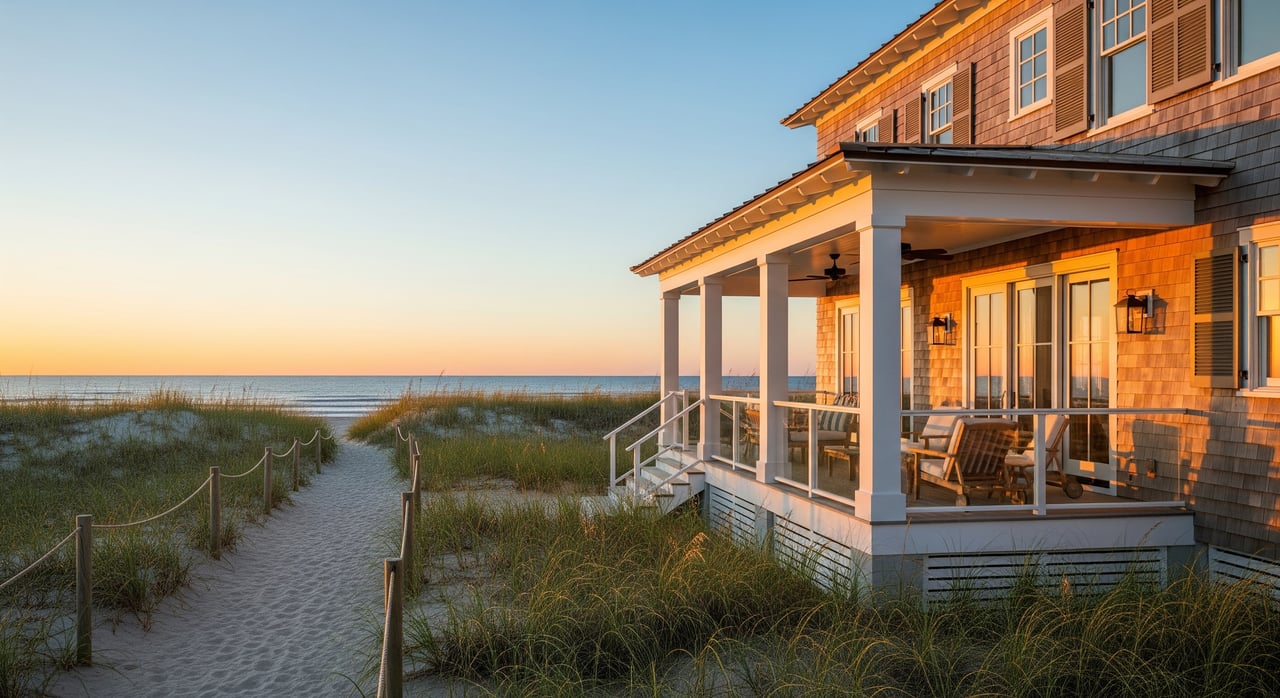
The beach shapes daily life here. There are multiple public access points across the island, so it is easy to fit in a morning jog, shell walk, or sunset stroll. Some beachfront homes have private paths, yet the broad stretches of public sand mean you can enjoy the shoreline wherever you live on IOP.
Groceries, shopping, and dining
You will find a handful of restaurants, bars, and convenience options on the island. For larger grocery runs, specialty shopping, and professional services, most residents drive to Mount Pleasant or downtown Charleston. Plan to combine errands off-island to simplify your week, especially during summer when roads are busier.
City services and community life
Isle of Palms has its own city hall, police and fire services, and a parks and recreation team that runs programs throughout the year. Seasonal events and municipal updates are posted by the City of Isle of Palms. Expect programming to scale up in peak months and shift in winter.
Outdoor recreation and boating
Beach, marsh, and inlet time
Surfing, swimming, paddleboarding, and long beach walks are everyday activities for many residents. Breach Inlet, which separates IOP from Sullivan’s Island, is a favorite spot for views, fishing, and water access. Conditions there can change quickly, and currents can be hazardous. Review coastal guidance from the South Carolina Department of Natural Resources and learn local patterns before you enter the water.
Boating culture and access
Boating is a major part of island life. You will see skiffs and center consoles heading to inshore spots, plus charters and family boats along the Intracoastal Waterway. Tides, shoaling near inlets, and summer storms make local charts and careful planning essential. Transient slips and ramps can be busy during peak season, so book ahead when possible.
Golf, tennis, and resort amenities
Wild Dunes Resort sits on the northern end of the island and is a hub for golf, tennis, dining, and events. You do not have to be a resort guest to feel the impact. The resort helps shape the island’s recreational calendar and can influence rental demand and visitor flow. Explore current offerings on the Wild Dunes Resort site to see what fits your lifestyle.
Housing and market basics
Home styles and elevation
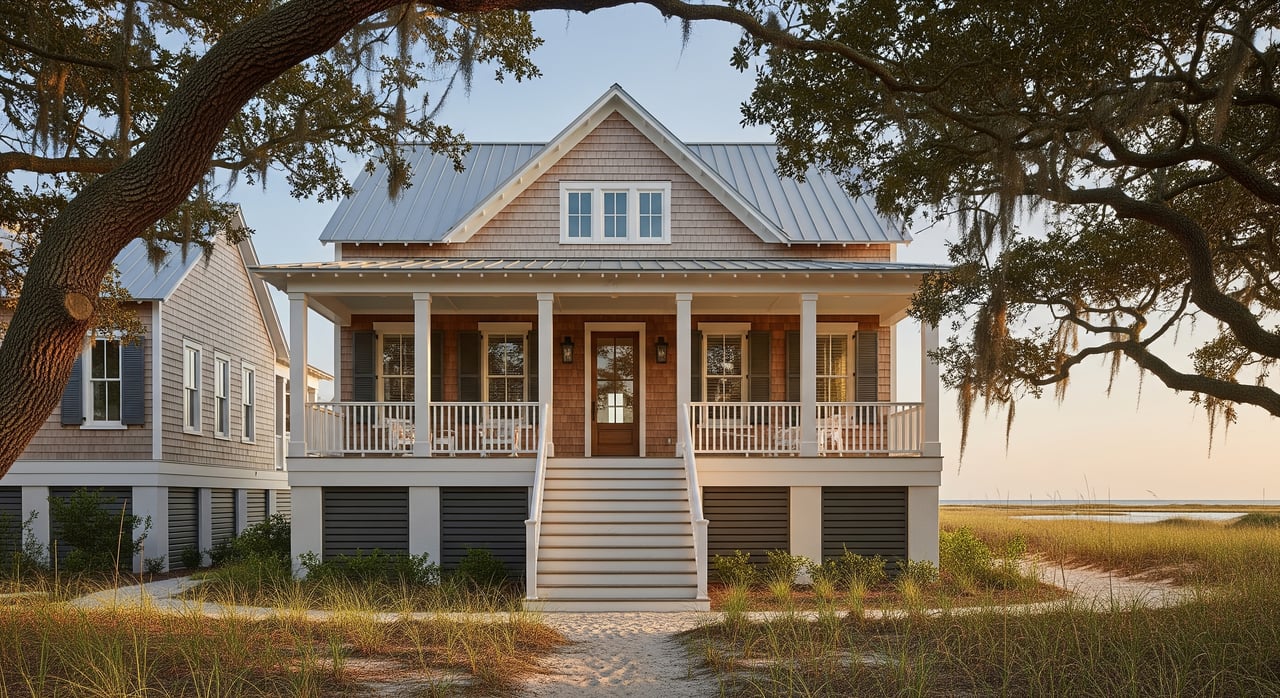
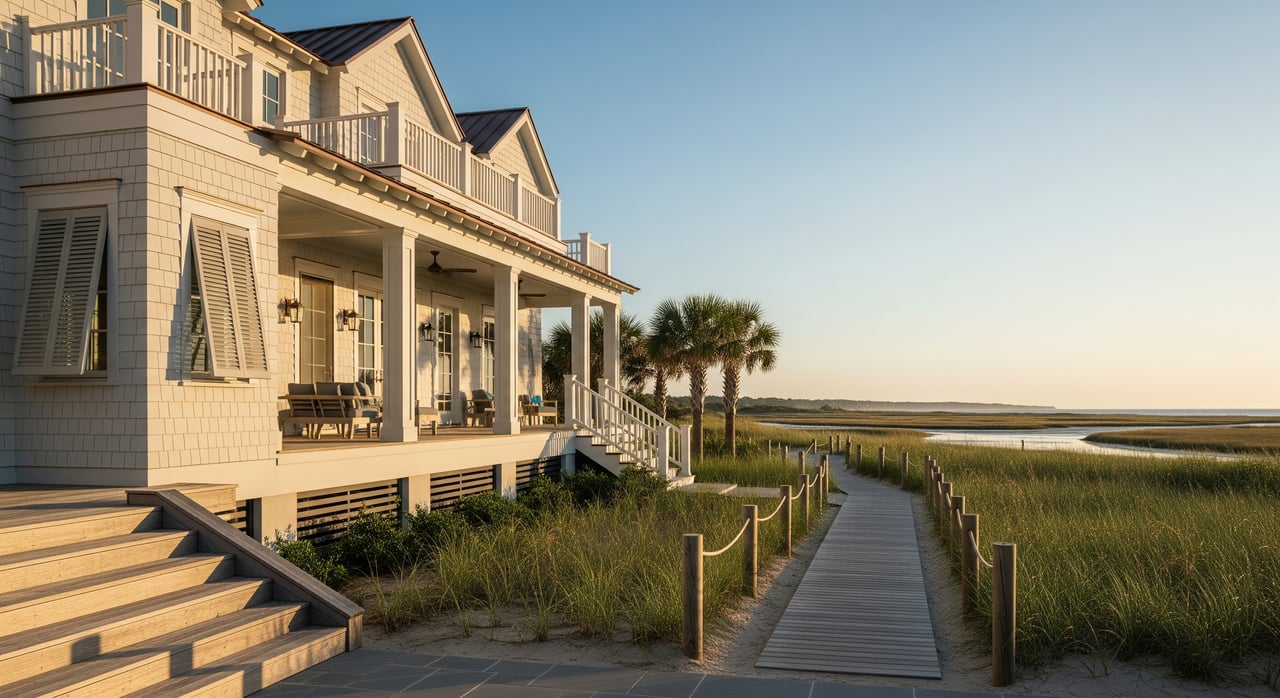
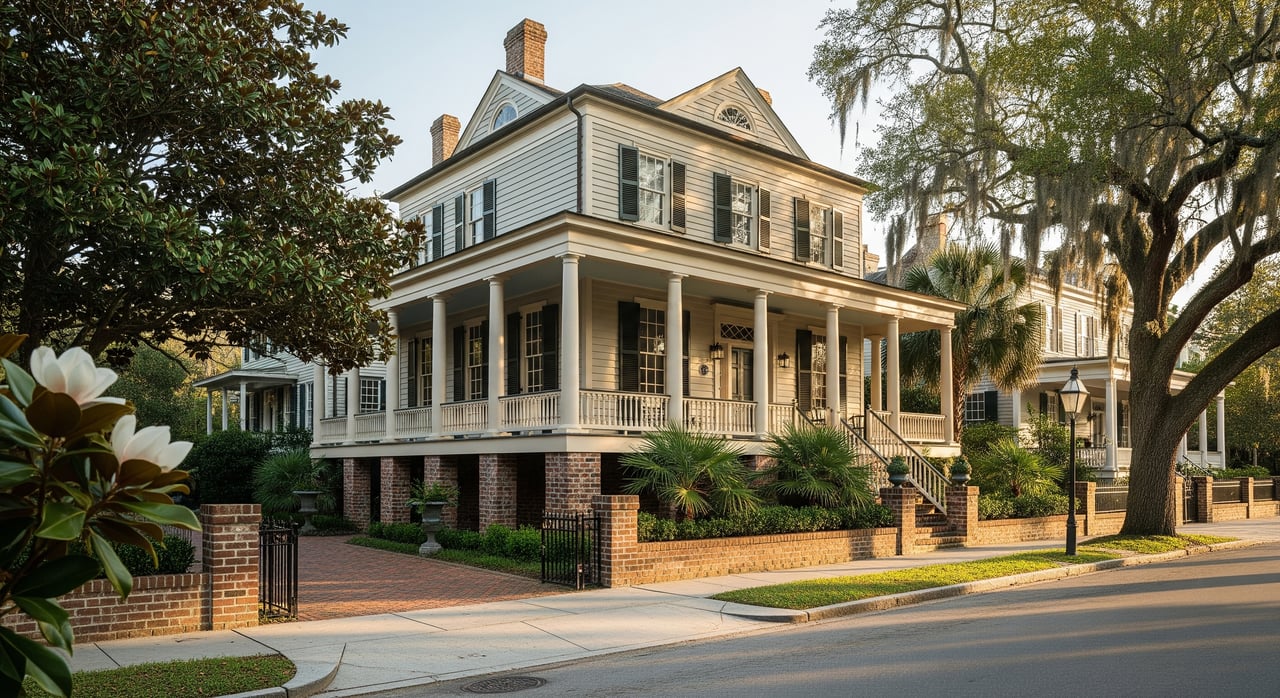
You will find an eclectic mix: classic beach cottages, elevated single-family homes built for flood resilience, condominiums, and resort-managed units. Many homes are on pilings to address coastal flood risk. If you are planning improvements, expect coastal construction standards and elevation requirements to guide what is possible.
Market character
Isle of Palms typically carries higher per-square-foot pricing than many mainland neighborhoods. The island setting, beach access, and demand for second homes all play a role. Inventory can be tight for specific property types, so timing and preparation matter when you see the right fit.
Short-term rentals and rules
The city regulates short-term rentals with permits, occupancy limits, taxes, and rules for parking and noise. If you are factoring rental income into your plan, review the current ordinances and permitting steps on the City of Isle of Palms site. Seasonal demand is strongest in summer, which may shape your personal use calendar.
Utilities and connectivity
Power, water, and internet
Island utilities function much like other coastal communities. Storms can cause outages, so backup plans are useful. Internet and cell service are generally available, with coverage that can vary by provider. If reliable high-speed internet is critical for work, confirm options for your specific address.
Waste and recycling
Municipal collection runs on set schedules that may change seasonally. There are special rules for yard waste and bulk items. Check the city’s service updates when you move in so your pickup plan matches the time of year.
Schools, healthcare, and preparedness
Public schools and zoning
Isle of Palms is served by the Charleston County School District. School assignments depend on zoning and programs that may offer choice and magnet options. For current details, review boundaries and enrollment through the Charleston County School District.
Healthcare access
For routine and specialist care, most residents travel to nearby Mount Pleasant and Charleston. Leading health systems include the Medical University of South Carolina and Roper St. Francis Healthcare, along with local urgent care clinics. Consider drive times for appointments, especially during peak season.
Hurricane season and emergency planning
IOP sits on a barrier island with exposure to hurricanes, tropical storms, storm surge, and tidal flooding. The Atlantic hurricane season runs from June 1 to November 30, according to the National Hurricane Center. Prepare a personalized evacuation plan, maintain an emergency kit, and track city alerts. To understand property-specific flood risk and insurance considerations, consult the FEMA Flood Map Service Center and insurance professionals.
Getting around and commuting
Car-first, with seasonal traffic
Most residents rely on private vehicles. The connector to Mount Pleasant is efficient during off-peak times but can slow down on summer weekends and holidays. Plan extra time on those days, especially when commuting or catching flights.
Typical commute times
Depending on traffic and your exact address, the drive to downtown Charleston often ranges from about 20 to 40 minutes. Charleston International Airport is commonly 30 to 45 minutes by car. These windows can stretch during peak tourist periods or special events.
Parking, walking, and biking
Many neighborhoods are easy to walk or bike, and the beach is never far. Public beach lots and street parking fill early on busy summer days. Review local parking rules and seasonal signage before you head out.
Coastal risks, insurance, and long-term trends
Flooding, erosion, and sea-level rise
Coastal hazards are part of living on a barrier island. The city and county work on dune protection and shoreline management, and you will see ongoing conversations about resilience. These factors influence building codes, future development, and insurance requirements.
Insurance and carrying costs
Homeowners policies, wind or hurricane coverage, and flood insurance are major cost considerations for island properties. Premiums can shift after major storms or map updates. Ask your insurance advisor for quotes specific to the property’s elevation, flood zone, and construction.
Environmental protections
Expect seasonal rules tied to dune health and wildlife. Sea turtle nesting season typically brings lighting and beach management guidelines. Staying informed helps you enjoy the beach while preserving the ecosystem.
Is Isle of Palms right for you?
If you want daily beach access, an active outdoor lifestyle, and a small-town coastal feel, Isle of Palms delivers. You trade some on-island convenience for natural beauty and a calmer pace outside of summer. You also accept coastal risks and plan carefully for storm season and insurance. With the right property and preparation, year-round island life can feel both grounded and inspiring.
Ready to explore homes, neighborhoods, and timing that fit your goals? Reach out to Helene Barrett for a boutique, local approach that blends lifestyle insight with clear, practical guidance.
FAQs
How busy is Isle of Palms outside summer?
- Spring and fall are active but less crowded than peak season, and winter is much quieter with shorter lines and easier parking.
What is the commute from Isle of Palms to downtown Charleston?
- Many residents see 20 to 40 minutes depending on traffic, time of day, and season; plan extra time during summer weekends and events.
Are Isle of Palms beaches public all year?
- Yes, there are public access points year-round; parking rules and hours can vary by season, so check current city guidance before you go.
How risky are storms and flooding on Isle of Palms?
- The island faces recurring coastal risks, including hurricane winds, storm surge, and tidal flooding; maintain insurance, follow city advisories, and keep an evacuation plan.
Can I handle most shopping and healthcare on-island?
- Basic services are on IOP, but most residents drive to Mount Pleasant or Charleston for larger grocery runs, specialty retail, and hospital or specialist care.
Are short-term rentals allowed on Isle of Palms?
- They are regulated; permits, occupancy limits, taxes, and rules for parking and noise apply. Check the latest requirements with the City of Isle of Palms before you rely on rental income.